
Greek Orange Biscuits, also known as Koulourakia Me Portokali, are a beloved traditional Greek treat that has been enjoyed for generations. Light, fragrant, and bursting with fresh citrus flavor, these biscuits are most commonly made for Greek Easter, but their appeal goes far beyond a single holiday.
Every year at Easter, my mother-in-law makes the most delicious Greek Orange Biscuits. Without exception, they disappear as quickly as they come out of the oven. These classic biscuits are soft yet lightly crisp, delicately sweet, and infused with the unmistakable aroma of fresh orange zest. One bite is enough to understand why they are such an important part of Greek baking traditions.
Let’s look at the history of Koulourakia Me Portokali, why Greek Orange Biscuits are central to Easter celebrations and what makes them so flavourful and irresistible.
We’ll also see how they fit into modern kitchens as an everyday biscuit (not just an Easter treat), and how this recipe makes a large batch that keeps beautifully.
Whether you grew up with Greek traditions or are discovering them for the first time, these biscuits offer a taste of history, family, and pure comfort.
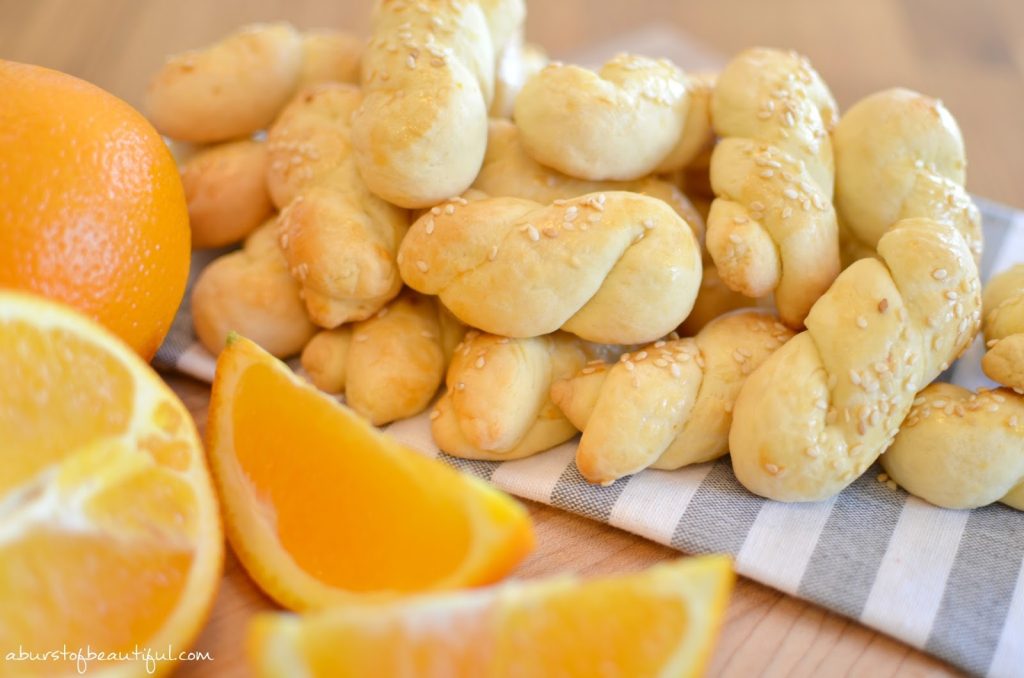
What Are Greek Orange Biscuits (Koulourakia Me Portokali)?
Koulourakia are traditional Greek butter biscuits typically flavoured with vanilla, citrus, or sesame. The word koulouri refers to something twisted or ring-shaped, which describes the signature braided or looped form of these biscuits.
Koulourakia Me Portokali are the orange-flavoured variation, made with fresh orange juice, orange zest, butter, eggs, sugar and flour.
They are not overly sweet, which makes them perfect for pairing with coffee or tea. Their golden color, soft interior, and lightly crisp exterior give them a texture that appeals to nearly everyone.
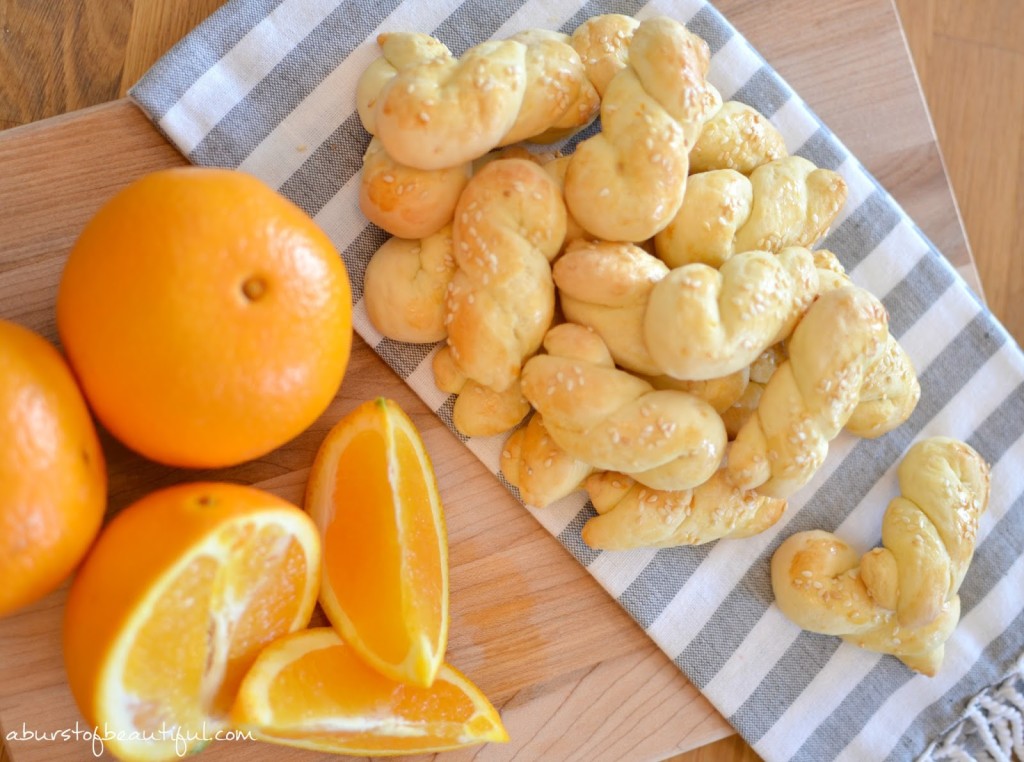
Koulourakia and Greek Easter Traditions
Greek Easter, or Pascha, is the most important religious holiday in Greek culture. Food plays a central role in the celebration, and Koulourakia Me Portokali are traditionally baked on Holy Thursday.
This timing is significant. During Lent, dairy and eggs are restricted. On Holy Thursday, these ingredients are once again allowed, making butter-rich biscuits one of the first indulgent treats after weeks of fasting.
Koulourakia symbolize joy and rebirth, light and renewal and family and continuity.
Their twisted shapes often represent eternity, while their golden colour reflects the joy of the Resurrection.
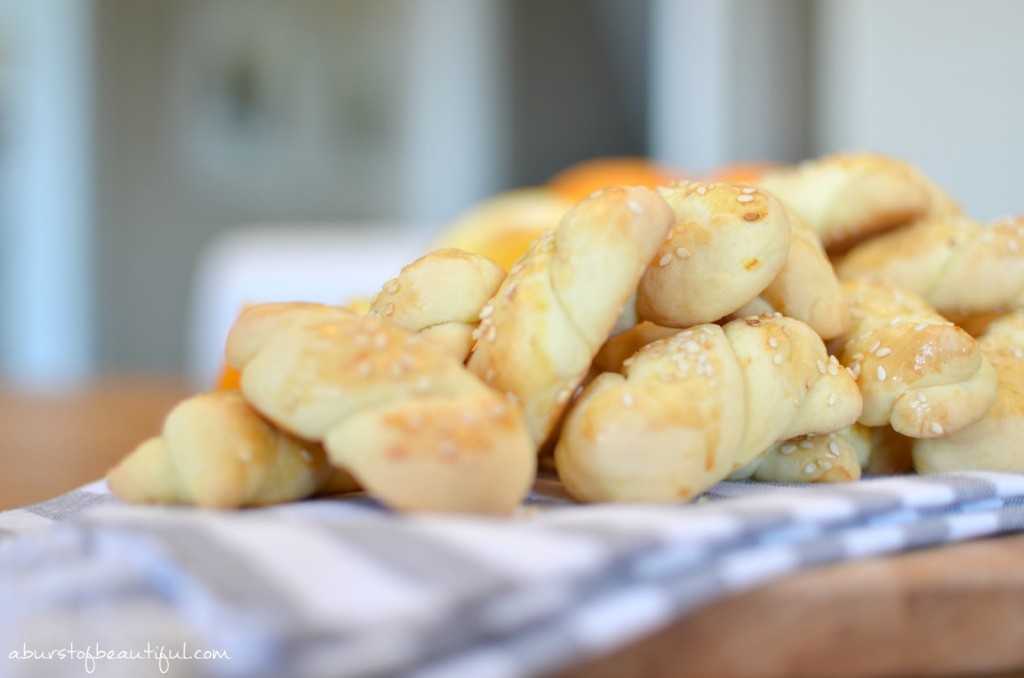
Why Greek Orange Biscuits Are So Important Culturally
More Than a Recipe
In Greek households, Koulourakia Me Portokali are not just biscuits. They are a tradition. Every family has its own version — slightly more zest, a little less sugar, softer or crunchier textures.
The act of baking them is just as important as eating them. Kitchens fill with laughter, conversation, and the unmistakable scent of orange. Children learn to twist dough, and elders guide the process with experience and intuition.
This ritual connects generations and keeps cultural identity alive.
A Symbol of Greek Hospitality
Hospitality is a cornerstone of Greek culture. Guests are always offered something to eat, and biscuits like Koulourakia are ideal for this purpose.
A plate of Greek Orange Biscuits on the table is a sign of welcome, warmth, and generosity.
Why Orange Is the Perfect Flavour
The Importance of Fresh Oranges
The flavour of Koulourakia Me Portokali depends heavily on the quality of the oranges used. Fresh, juicy oranges provide brightness and aroma that bottled juice simply cannot replicate.
Orange zest is especially important. It contains natural oils that release during baking, filling the kitchen with an irresistible fragrance and infusing the biscuits with depth and warmth.
Choosing the juiciest oranges will always result in the most flavorful biscuits.
A Balanced Flavour Profile
What makes Greek Orange Biscuits truly special is their balance. They are lightly sweet, rich but refreshing and tender without being crumbly…seriously delicious!
The citrus cuts through the butter, creating a biscuit that feels light and satisfying rather than heavy. This balance is why they work so well as a breakfast biscuit or afternoon treat.
Greek Orange Biscuits and Easter Brunch
Easter brunch is often abundant with savoury dishes, eggs, bread, meats, and desserts. Koulourakia Me Portokali provide a refreshing contrast.
They are ideal after a savoury meal, alongside coffee or espresso or as a light dessert option
Their elegant shape and golden colour also make them visually appealing on any Easter table.
Not Just for Easter: A Year-Round Biscuit
Although Greek Orange Biscuits are traditionally associated with Easter, they are far too delicious to enjoy only once a year.
A Perfect Breakfast Biscuit
Koulourakia Me Portokali are not overly sweet, making them ideal for breakfast. They pair beautifully with coffee, tea or cappuccino.
Having a batch on hand when company visits makes mornings effortless and special.
Ideal for Entertaining (or Indulging)
This recipe makes close to 100 biscuits, which may sound excessive — until you realize how quickly they disappear.
They store well for weeks and freeze beautifully, though keeping them long enough to freeze can be a challenge.
Storage, Shelf Life, and Freezing
One of the best things about Koulourakia Me Portokali is how well they keep.
Room temperature: Store in an airtight container for several weeks
Freezer: Freeze baked biscuits for months without loss of flavour
Make-ahead friendly: Ideal for holidays and busy schedules
This long shelf life makes them practical as well as delicious.
Why This Recipe Has Lasted for Generations
In a world of constantly changing food trends, Greek Orange Biscuits remain timeless.
They endure because they use simple, honest ingredients. They’re easy to make in large quantities with a taste that is comforting and familiar, and they carry an emotional and cultural significance.
They prove that tradition doesn’t need to be complicated to be meaningful.
The Emotional Connection to Greek Orange Biscuits
Food has a powerful way of anchoring memories. For many people, the scent of orange zest and butter instantly brings back images of family kitchens and holiday gatherings.
Every Easter, when my mother-in-law bakes these biscuits, it feels like a continuation of something much bigger than a recipe. It’s history, love, and tradition baked into every tray.
Final Thoughts: A Biscuit That Feels Like Home
Koulourakia Me Portokali are more than a traditional Greek Easter biscuit. They are a reminder that some of the best foods are rooted in simplicity and tradition.
Whether enjoyed at Easter brunch, with morning coffee, or quietly saved just for yourself, these Greek Orange Biscuits offer something special — a connection to family, culture, and the simple joy of baking.
Once you try them, it’s easy to see why they’ve stood the test of time.
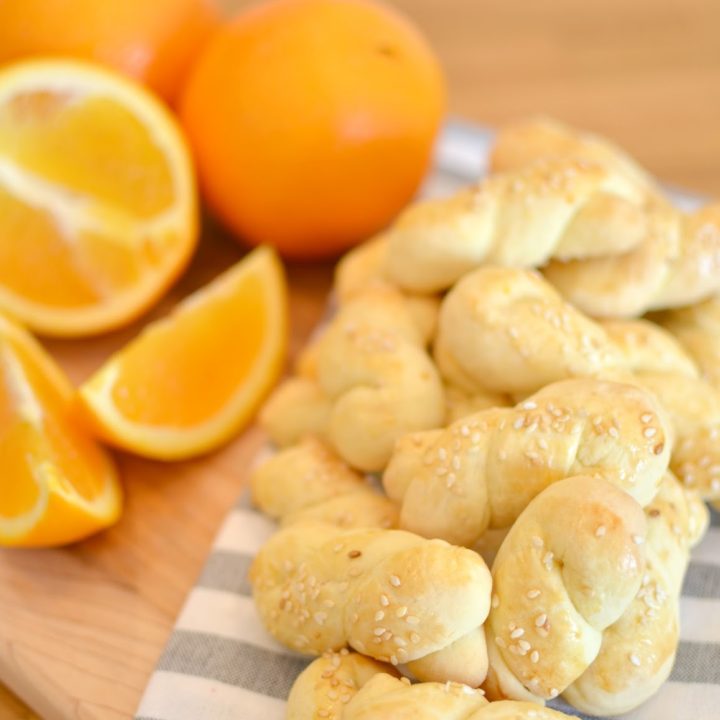
Greek Orange Biscuits
A delicious Greek Easter Biscuit {koulourakia} recipe passed down from my mother-in-law
Ingredients
- 1lb unsalted butter, room temperature
- 1 1/3 cups sugar
- 4 eggs
- 2 large oranges, juiced and zested
- Pinch of salt
- 6 tsp baking powder
- 6 cups all-purpose flour (approximately)
- 1 egg for glaze
- Toasted sesame seeds
Instructions
- Preheat oven to 350°F bake or convection.
- Using an electric mixer, beat butter and sugar until creamed.
- One at a time, add each egg, beating after each one.
- Add orange juice and zest. Beat slowly. The mixture will look like it's curdled.
- Sift flour with baking powder and salt and slowly add to butter mixture. You may need to add more flour and knead to make a soft dough.
- Break off pieces larger than a walnut and roll on a lightly floured counter to form a dough rope about 7 inches long. Fold the rope in half and twist. Place Koulourakia on a parchment lined cookie sheet about 1 1/2 inches apart. Brush with slightly beaten egg and sprinkle with sesame seeds if desired.
- Bake for 18 - 20 minutes until golden color. Remove from oven and cool. Store in a covered container.


Kay says
Hi just wondering if you freeze the dough uncooked or if you freeze the frozen biscuit? Also, how long are you able to freeze them for?
Nick says
Hi Kay, I would only freeze the cooked biscuit, not the dough. You could freeze them for about 3 months, but they also stay pretty fresh in an airtight container for weeks! Trust me, they won’t last long enough that you’ll need to worry about freezing them!!
Andrea says
You can also freeze the dough after you have rolled them into cookies. Freeze them on a cookie sheet and then place them in a freezer bag. They take a few minutes longer to bake, but are lovely!!
Nick says
Thank you for the tip! That would ensure we could have fresh biscuits all year long! 😉
Magda Carpenter says
Hi what is 1lb mean please?
Nick says
Hi Magda, that refers to 1 pound, or 454 grams, or 2 cups. Hope you enjoy these!